A heavy week for Nordic schools - Online radicalization, rapid escalation, and lowering barriers for help
| Time to read:5 minutes
Dear educators, school leaders, and student health teams,
This has been an extraordinarily heavy week for schools across Sweden and the Nordic region. The horrific school attack on Friday afternoon in Fagersta, Sweden, has shaken us to the core, leaving us in deep sorrow for the victims, their families, and the entire school community.
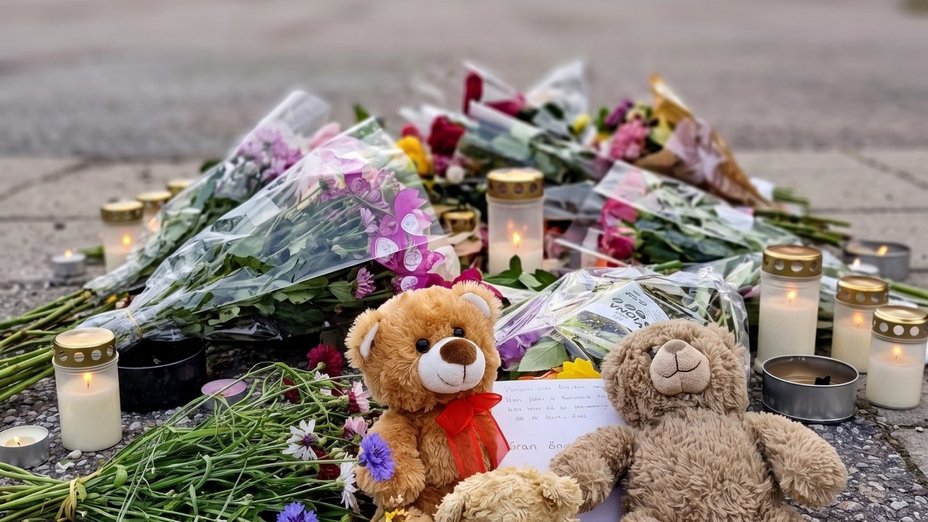
As we try to take in and navigate these painful events, we are reminded of a disturbing pattern seen across several targeted school attacks in recent years. These acts of violence rarely happen in isolation. Given that online radicalization remains a clear common denominator, what critical trends should we be watching for in digital environments?
The Role of Social Media, Rapid Acceleration, and Synthetic Companions
Today’s digital ecosystem has fundamentally changed how radicalization occurs:
- Social media platforms are designed to maximize engagement, which can rapidly funnel a vulnerable youth into radicalization pipelines in a matter of days or weeks. Crucially, young people do not even have to actively search for extremist content, the algorithms push it directly to them. A 2024 study by Dublin City University’s Anti-Bullying Centre demonstrated that recommender systems on platforms like TikTok and YouTube Shorts began feeding masculinist, anti-feminist, and extremist material to blank male-identified accounts within just 23 minutes, regardless of whether the user searched for generic or radical topics. Within hours of passive viewing, the vast majority of recommended content became toxic. It is dangerously easy to get sucked into a rabbit hole of violent and extremist content. Normalization happens fast when this material is all a young person sees and interacts with, as high-energy edits, memes, and glorification of past violence are algorithmically served on their feeds, accompanied by peers and perpetrators cheering from the sidelines and offering a false sense of community and belonging. As SomeBuddy’s CEO Suvi Uski highlighted in a recent interview with Finnish public broadcaster Yle, platform algorithms hold immense power in shaping what young people see, often amplifying harmful material and making early digital intervention essential for protecting youth.
- Extremist spaces and subcultures thrive on validating dark impulses. It is helpful here to distinguish between traditional online radicalization, which many are familiar with (formal political/religious extremist groups, explicit propaganda, and structured recruitment) and newer patterns. Radicalization today is often decentralized, fluid, and far less recognizable. Young people are no longer just passive consumers of ideology; they inhabit gamified subcultures where peer pressure takes the form of "trolling," violent sub-challenges, and direct co-planning. In these spaces, young individuals often receive real-time encouragement, social status, and step-by-step feedback from online peers as they formulate violent plans, making the boundary between online chat and real-world action very thin.
- When young individuals experience isolation, bullying, or distress, they increasingly turn to digital spaces for connection and isolate further from the physical world. This ranges from anonymous online figures offering a false sense of brotherhood to AI chatbots and synthetic companions designed to validate emotions without ethical boundaries. When young people seek refuge in these spaces, especially with chatbots, destructive thoughts can easily be normalized rather than challenged. There have also been documented cases where chatbots have been directly responsible for pushing a young person to commit acts of self-harm, violence, or similar harm.
High Thresholds for Reporting is one of the biggest challenges
Preventing targeted violence requires catching early warning signs. However, experience shows us that the barrier for a student to report their concerns (whether it is about themselves or about others) to an adult, a teacher, school curator, or principal, face-to-face is very high.
Students frequently fear social backlash, isolation, being labeled a "snitch," or facing retaliation. This is often compounded by a breakdown of trust when a student feels let down by school staff, a dynamic highlighted in recent literature on educational responses to online extremism, which stresses that youth who lose faith in physical support systems disengage from adults entirely. These aspects are highlighted by The Radicalisation Awareness Network (RAN) in their reports regarding education and youth radicalization. To protect our students, we must actively lower these thresholds and meet them in spaces where they feel safe.
What can schools do?
- Educate staff on how fast online radicalization operates, including how hate, violent rhetoric, and incel ideology are masked behind memes, gaming aesthetics, and digital codes. A notable pattern today is how radicalization intersects with the manosphere. For instance, a young person suddenly adopting a hyper-masculine or "alpha male" look might have historically just signaled an interest in fitness or sports. Today, however, it can also indicate exposure to feeds that blur self-improvement with misogyny, teaching boys not only how to "be their best selves," but also that women are inferior to men.
- Foster an environment where adults ask curious questions about students' digital lives, including the forums they visit and their interaction with AI tools or online groups. Educating students about algorithmic influence, online radicalization etc is also an incredibly important part of navigating the online world.
- Establish clear, low-threshold avenues where students can anonymously express concern if they suspect a peer is being radicalized, planning harm, or suffering in silence. Remind students about the importance of telling an adult when something is not right, it can save lives!
Our thoughts remain with everyone affected by the attack in Fagersta and all school staff navigating these incredibly difficult times. Together, by staying vigilant and lowering the barriers for students to speak up, we can build safer school environments.
Our warmest regards,
The whole Team at SomeBuddy