AI Apps Are Stripping Girls Naked – What Schools and Families Need to Know About This Growing Phenomenon
| Time to read:4 minutes
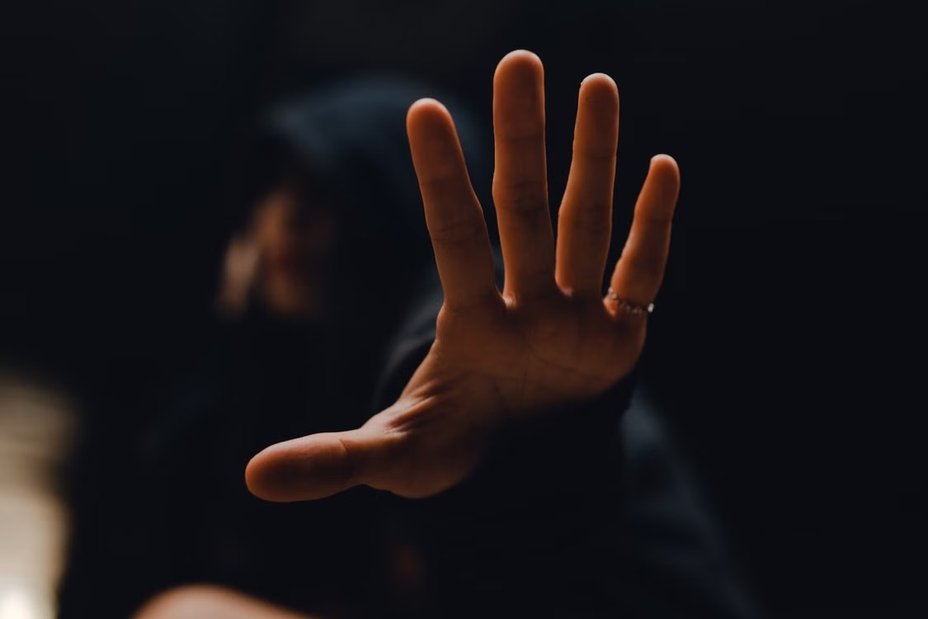
Harmless entertainment or sexual violence? Anyone can strip another person naked with just a few taps on a smartphone screen. The explosive advancement of AI image editing has introduced a phenomenon into the daily lives of schools and families that is concerning to many: what to do if an artificial nude image of yourself or a loved one has been created.
Earlier this year, UK schools were advised to remove identifiable photos of pupils' faces from their websites and social media accounts amid a growing AI blackmail threat. Officials highlighted that criminals are taking publicly accessible images of children, using artificial intelligence to manipulate them into sexually explicit material, and demanding money from victims to prevent the images from being published.
Ofcom has also announced a new set of rules – set to take effect in early 2027 – for social media platforms and online services to tighten rules on online child abuse material. For example, platforms will be required to ban users who create, upload, or distribute child sexual abuse material, including AI-generated imagery.
Built to Target Women and Girls
In 2023, 99 percent of intimate deepfakes circulating online depicted girls and women. The AI systems used for the making of the nudified images are often engineered specifically to manipulate female bodies; many cannot even "undress" boys and men.
Because of their ease of use, the barrier to generating these images has been exceptionally low. Children and teenagers might create nudify images thoughtlessly or on a whim, without understanding the gravity of their actions. For the target, however, the consequences are invariably real and far-reaching. At the same time, this technology is ruthlessly exploited as a tool for intimidation, bullying, and extortion. In the growing phenomenon of sextortion, nude images are leveraged to extort money, authentic nude photos, or other concessions.
The UK has banned the nudification applications and tools in 2026. We hope to see a major decrease in the imaginary due to this. Unfortunately, this does not take away the issue as a whole.
Fake Images, Very Real Harm
An AI-generated nude is not just a harmless fake picture that can be shrugged off. For the person depicted, it is an act just as violating as having an authentic nude photo taken or distributed without consent. The realisation that anyone can become a target can be equally frightening and unsettling.
Being targeted often triggers intense shame, anxiety, and fear over where the material might spread online and whether it will resurface years down the line. Research shows that victims can experience psychological trauma comparable to that of physical sexual violence. It is crucial that targets receive comprehensive support.
Beyond the emotional toll, there are serious legal risks. In the UK, strict laws are in place to tackle the creation and sharing of non-consensual intimate imagery - including AI-generated material - and young people can quickly find themselves in serious trouble without realising it. At the same time, it is vital for children and young people to know that they will not be punished for asking a school, parent, or the police for help if an image of them has been shared.
How to Respond and How to Prevent Harm
If a young person is targeted by AI-generated intimate imagery, responding swiftly makes all the difference. Families and schools should focus on:
- Documenting the incident safely (without saving or sharing the explicit images themselves)
- Reporting the content to the relevant platforms and authorities
- Ensuring the young person receives immediate, non-judgemental emotional support
For schools specifically, the UK government’s statutory Keeping Children Safe in Education (KCSIE) guidance also provides more detailed protocols for managing these incidents and supporting the students involved.
In addition to immediate crisis response, education and prevention are key. Protecting young people means stopping them from unknowingly crossing ethical and legal lines, not just shielding them from harm. Schools play a vital role in educating children about AI-driven harms - reinforcing that a person’s digital image deserves the same respect as their physical body, and that "it’s just a fake" never erases the real-world impact.
Written by
SomeBuddy’s Online Safety Experts
Sources
- Keeping children safe in education 2026
- Sharing nudes and semi-nudes: advice for education settings
- Searching, screening and confiscation
- Written statement HCWS477, 16 November 2026
- Sexualized Deepfakes in UK Schools: Understanding and Preventing AI-Generated Image-Based Sexual Abuse Through Better AI Literacies